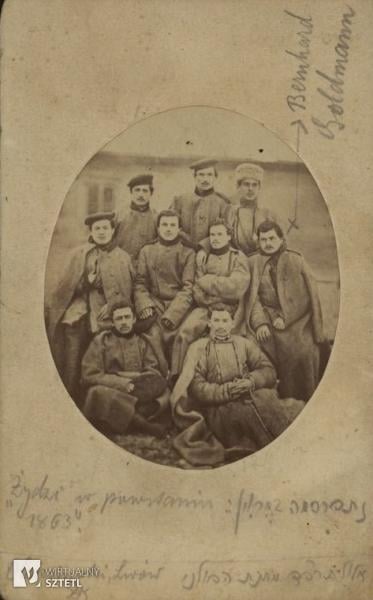
The January Uprising 1863 – the Polish battle for national liberation, which lasted from January 1863 to autumn of 1864 on Polish lands that has been a part of Russian partition. The direct cause of the uprising was an extensive plan of forced recruitment of Polish youth into the Imperial Russian Army. The insurrectionists used guerilla tactics and the fights took place in the provinces. The rebels attempt to conquer the base in Płock was not successful.
They established Polish government, which issued a manifesto directed to the Polish nation. The manifesto exhorted Poles to fight with Russians and it proclaimed series of social reforms, including the one that would made the land cultivated by the peasants their own property. The leader of the uprising was a dictator and a man who occupied this position for the longest time was Romuald Traugutt, an independence activist and a military man. The uprising was heavily crushed.
The answer of the tsarist authorities to the rebel were massive reprisals: participants of uprising were exiled to Siberia, their properties were confiscated, leaders of the rebel were executed, furthermore Russian authorities made some changes to the law of the Kingdom of Poland and started an intensive Russification of Polish society.